


Pateh originates from Kerman in the south of Iran and is worked by women . The earliest Pateh dates back to the 18 the century . It goes further back but wool does not keep well, therefore we have little remaining evidence.
Pateh consist of a woolen fabric or shawl called ‘Arriz’ اریز and the embroidery threads which as usually of the same woolen yarns.
It is a folk art needlework which means that the objects usually have a practical use . There are 8 traditional colour yarns and is usually worked on a red or white background . Although in recent years working on orange , turquoise and navy backgrounds has become popular .The designs are traditional and most definitely have their origin in the carpert designs of the area.Paisley patterns بتجقه the central Toranj design and the Tree of Life are familiar designs used in Pateh Doozi .
The goat wool that is produced in Kerman goes back to Roman times and before . It was called Carmenian Wool and was prized for centuries and raised a high price.Pashmina is now forbidden due to the fact that the pulling of the down from the undercoat and behind the ears of the animal and is considered cruel. The fleeces are now sheered off in Australia,China and Iran but some illegal pulling still goes on in Pakistan and India. . Fleecing occurs and is produced and spun in Kerman but the Pasmina producing goat is now an endangered species. These days , the Merino Sheep wool is used for both carpets and crafts.
The word Pashmina comes from the Farsi word”pashm” which means wool and is the name of the fine fluffy wool that is harvested from the neck region and behind the ears of the goats. Due to the very cold climate the goats have developed a double fleece which molts in the Spring and can be easily combed from the animal.
There are often inquiries as to which came first , the Indian /Kashmir woolen industry or the Iranian . The fact is the Iranian export was really taken on and expanded in a superb way in India and became dominant during the 18 th and 19th century as trade with the British Colonial power boomed.
The story starts with the Central Asian Mountain Goat.

A sufi called “Seyyed Ali Hamedani” from Hamedan, Iran ,travelled several times to what we now call Kashmir but was then know as Ladakh region of India in the year 713 . He recognised a similar kind of goat to the Central Iranian Plains and decided to harvest the wool as he had seen in his home country , spin it and knit a pair of socks which he presented to the king .Sultan Qutabdin was so impressed with their warmth he requested Hamedani to go back to Iran and bring the industry to Ladakh . It is said that Hamedani took over 700 artisans from Iran , from breeder, spinners, weavers and stitchers and a whole industry began .
In 2014 , The United Nations agency Unesco reported and honoured. Mir Seyyed Ali Hamedani as one of the principle figures who shaped the culture of Kashmir both architecturally and through the flourishing of arts and crafts and hence the economy. The skills and knowledge he brought from Iran to Ladakh gave rise to a whole industry.

The Boteh design which is familiar to all Iranian crafts from carpets to the shawls is what we call in the West , the Paisley design . It is described as a tear shape but the motif is actually derived from the evergreen tree , Sarv . The anglicanisation of the name came about as the shawl weaving industry took shape in Paisley ,Glasgow in the 19th century .
These shawls were replicas of the Indian Kashmiri shawls and were being mass produced in Renfrewshire ,Scotland as the industrial revolution brought in the Jaquard looms . The shawls were extremely popular during Victorian times and became a fashion statement for the women of the day .
The wool used in Kerman for Pateh Doozi today varies from the same local wool spun and dyed locally or imported wool from Australia. The yarns are both chemically and naturally dyed but are used separately as the naturally dyed yarn pieces are more expensive and are usually of a more finely spun count.

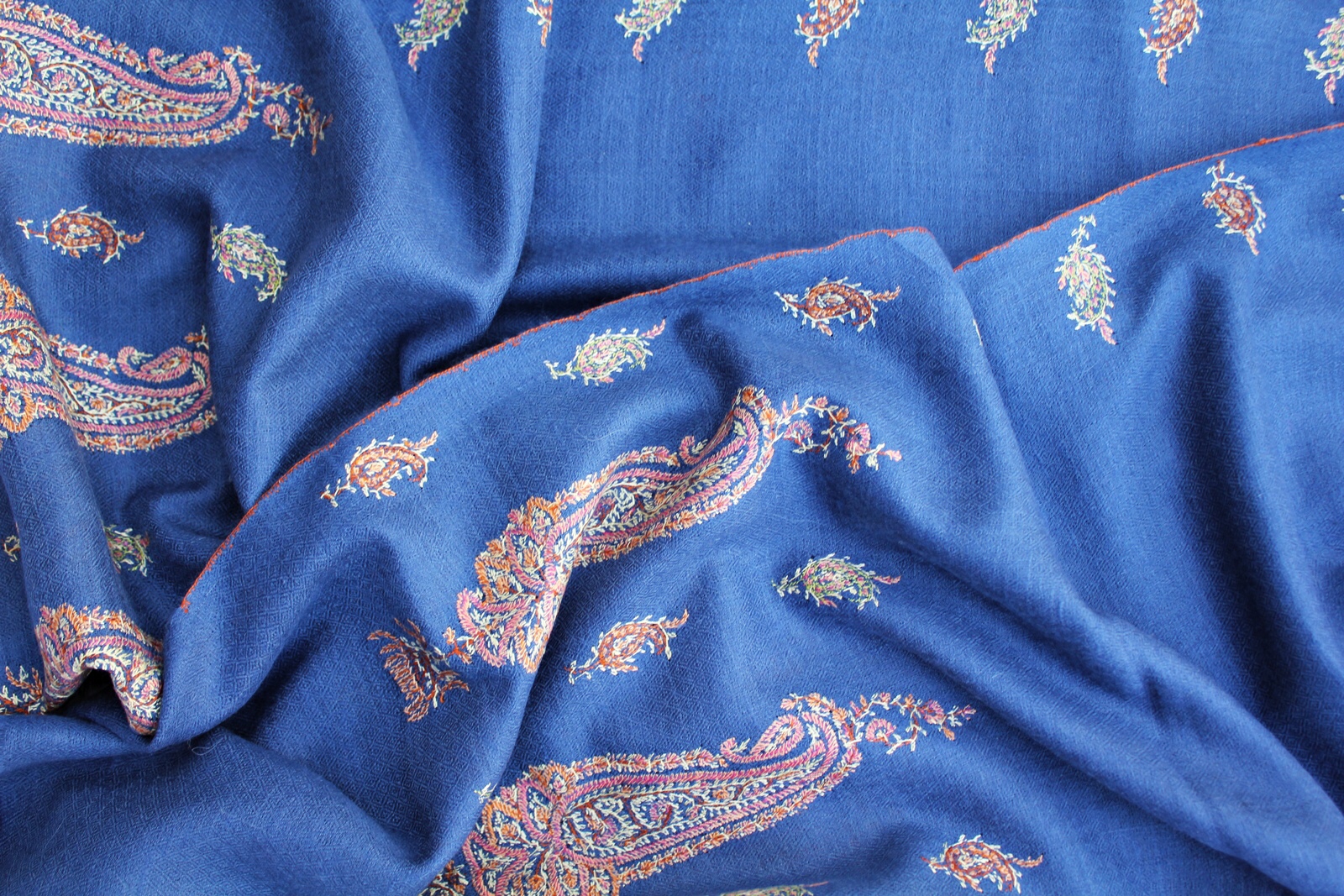
Modern Pashmina from Pakistan 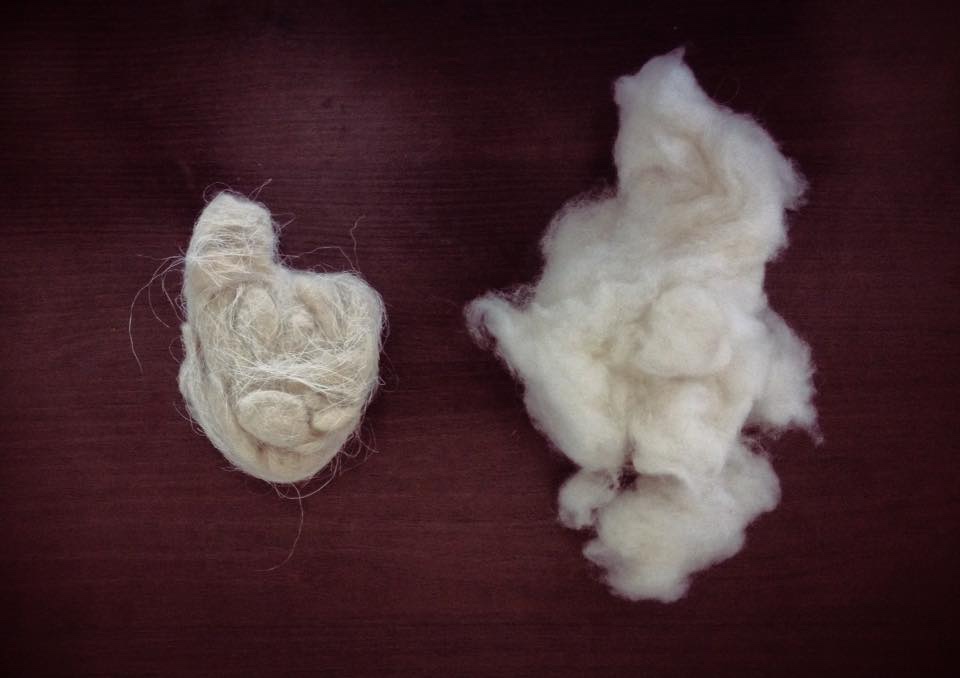
The Pashmina wool before and after washing
Pateh takes many of its designs from the famous Kerman carpets designs and similarity can be seen clearly as to a central mandala with borders. Kerman in situated in a dry desert plain and has severely cold winters and hot summers. Life is spent indoors and therefore the art and crafts have replaced flowers, gardens , birds etc… with their weaving and stitching and brought them into their homes.

Antique Pateh Doozi 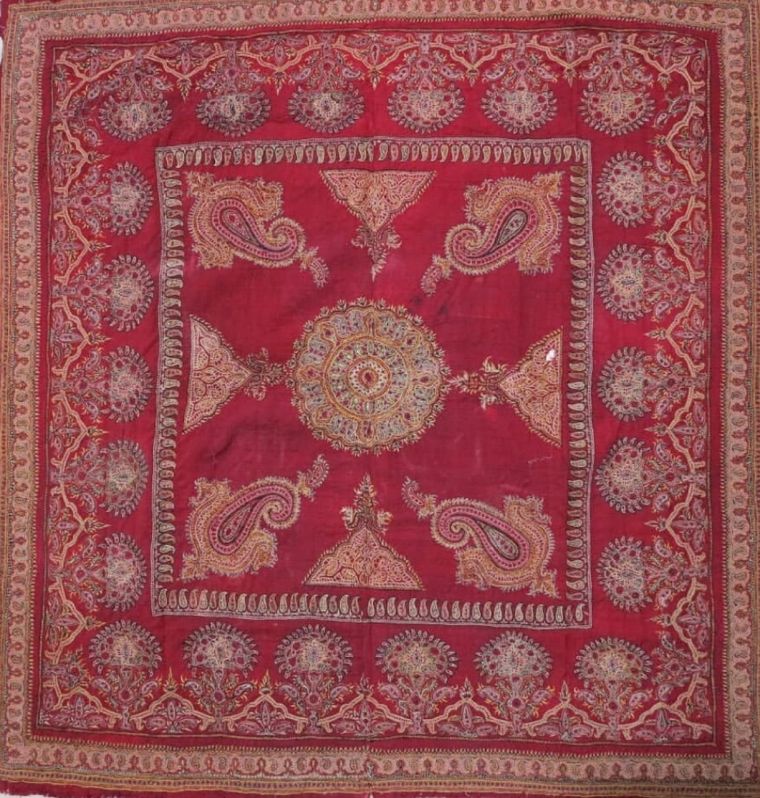
Antique Pateh Doozi 
Pateh Doozi with plant based dyed yarns by Mrs Alimohammadi ,Mahshad 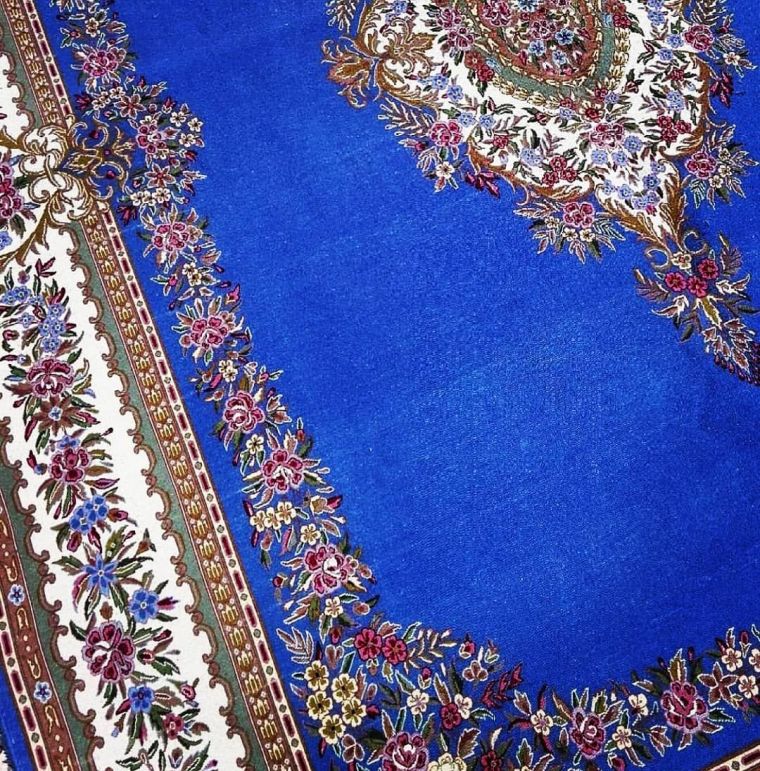
Carpet Woven in Kerman Iran 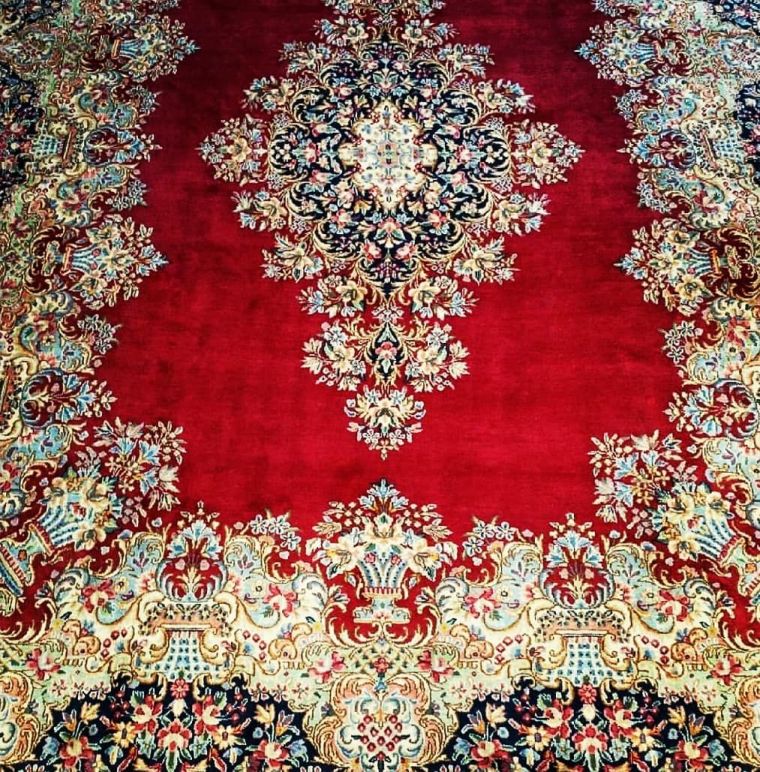
Carpet Woven in Kerman Iran 
Carpet Woven in Kerman Iran 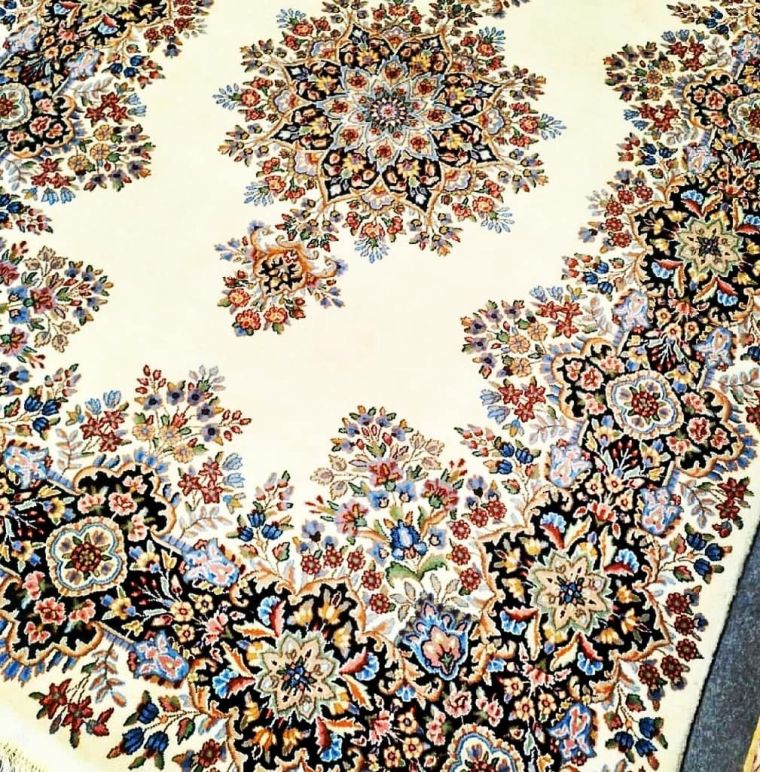
Carpet Woven in Kerman Iran 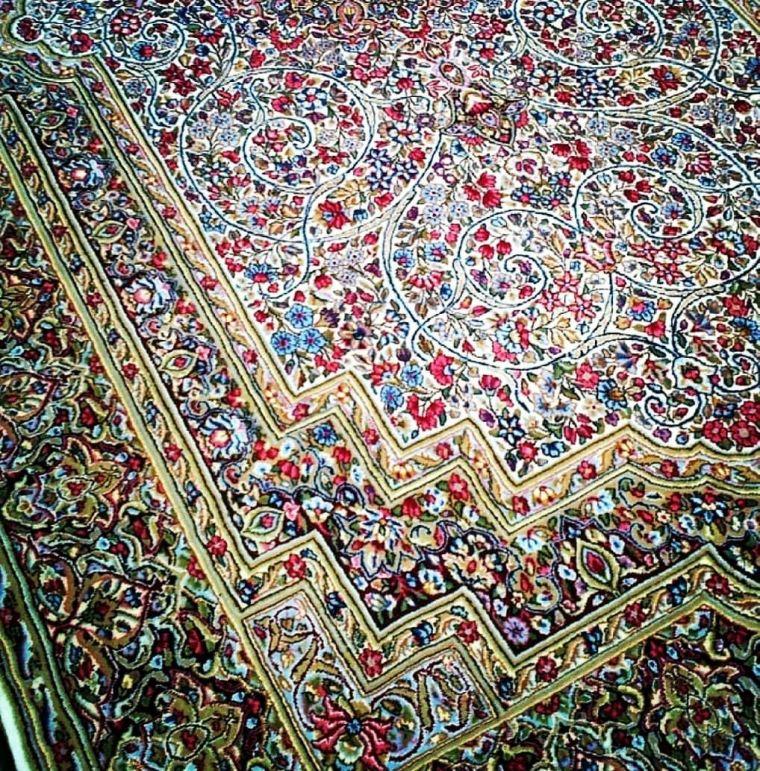
Carpet Woven in Kerman Iran 
Carpet Woven in Kerman Iran 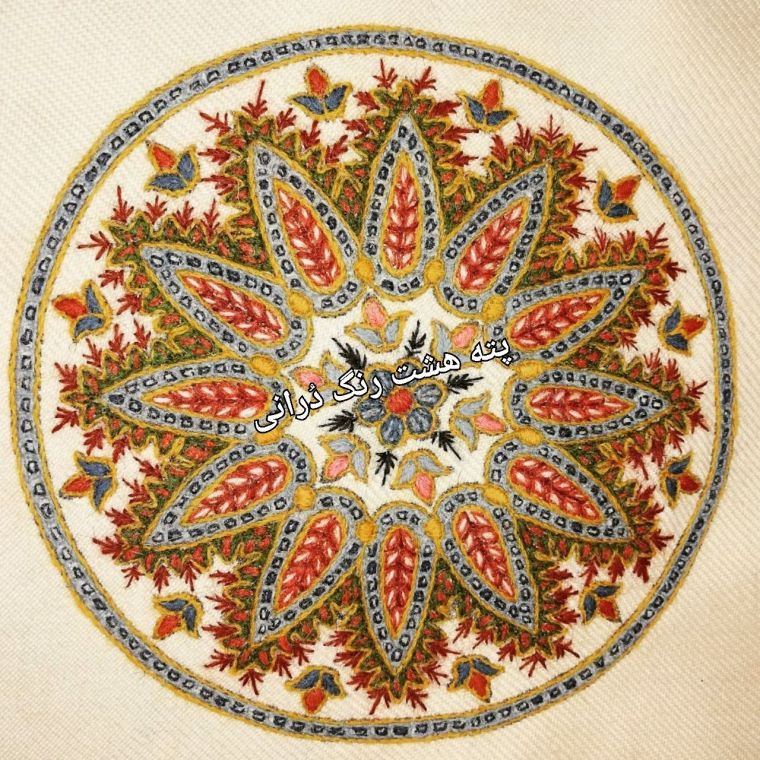
Traditional Design 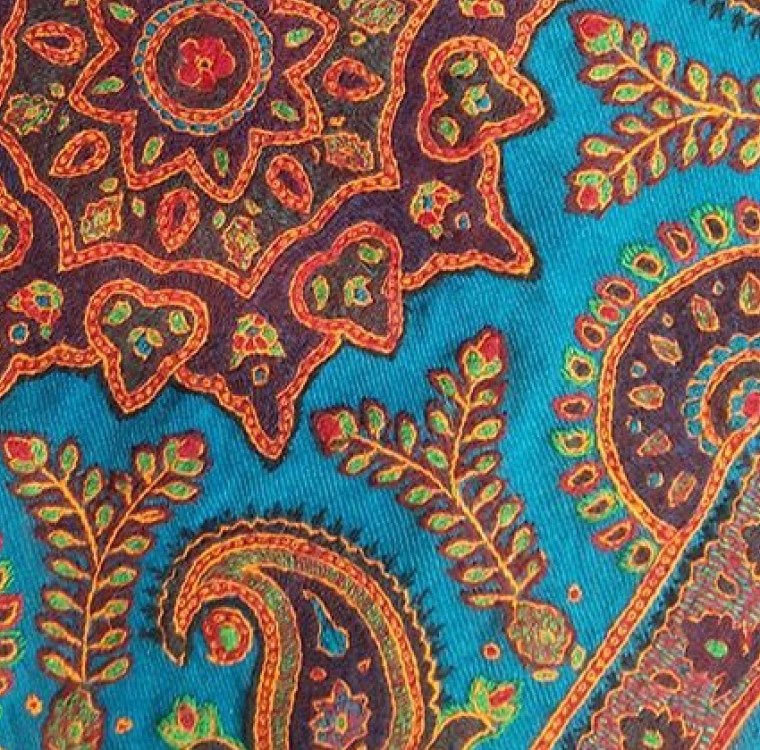
Traditional Design by Dastineh 
Traditional Design with naturally Dyed yarns by Dastineh 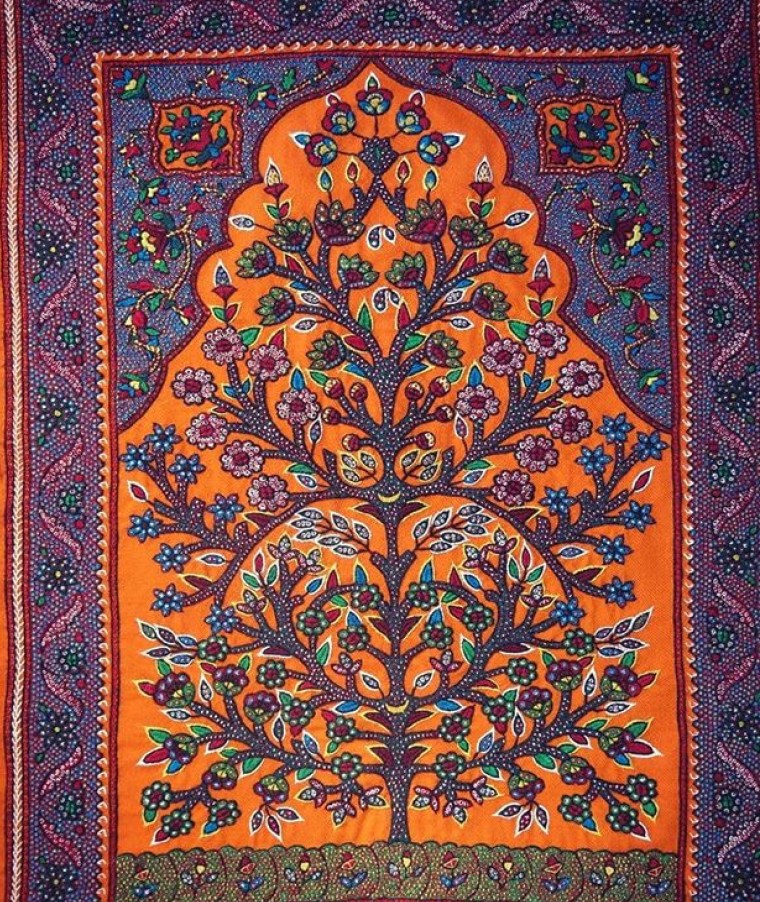
The Tree of Life by Dastineh 
Traditional Design by Dastineh 
Antique Pateh 
Antique Pateh 
Antique Pateh 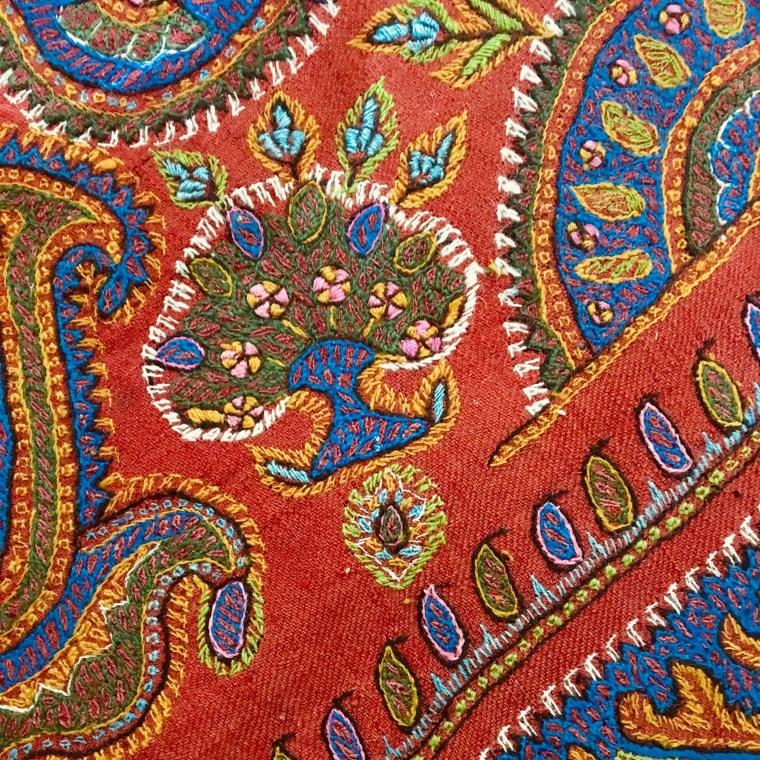
Antique Pateh
 Dzignpatch